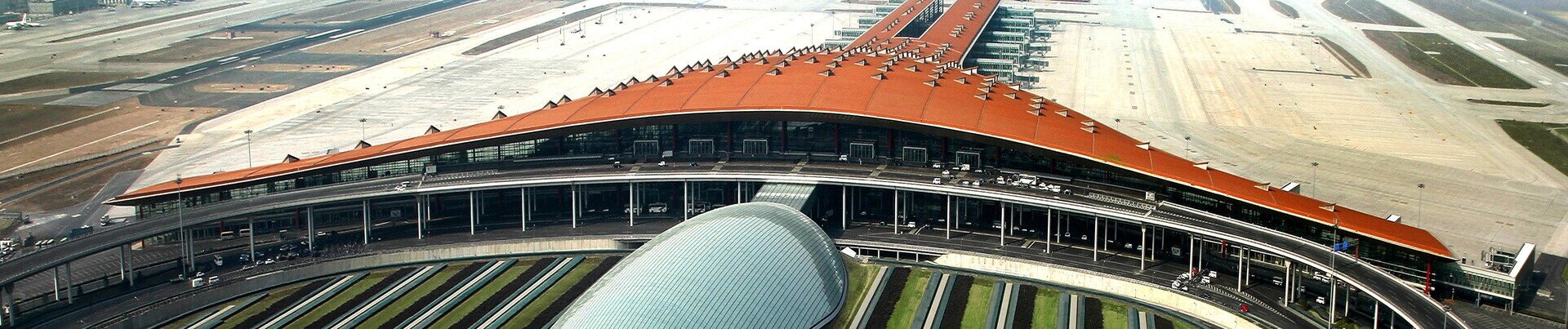
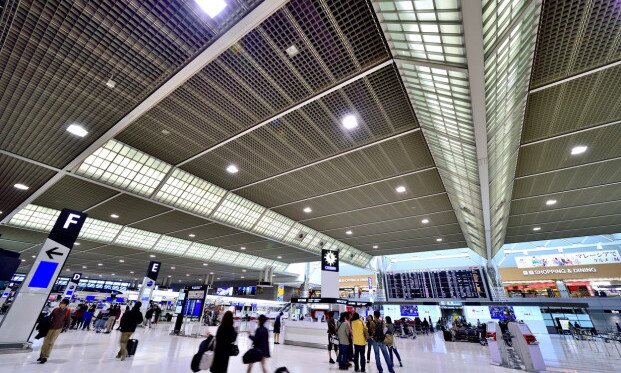
Japan’s airports will require approximately US$29 billion in investment over the next decade and US$80 billion through 2056, as the country seeks to maintain its aviation competitiveness amid rapidly growing passenger demand across Asia-Pacific and the Middle East, according to a new study by Airports Council International Asia-Pacific & Middle East (ACI APAC & MID), the trade group representing over 600 airports.
On the occasion of the EU-India Aviation Summit kicking off today in New Delhi, ACI Asia-Pacific and ACI EUROPE jointly called on India and the European Union (EU) to establish a comprehensive aviation agreement to liberalise traffic rights and boost regulatory alignment, including the acceleration of decarbonisation policies between the two regions.
Airfares in Asia-Pacific and Middle East surged as nations emerged from pandemic-related restrictions, according to the Airports Council International (ACI) Asia-Pacific’s latest Airport Industry Outlook.
In spite of the global macroeconomic headwinds and geopolitical instability, the aviation industry has maintained its consistent recovery providing a positive outlook for the year ahead, according to the ACI Asia-Pacific's Airport Industry Outlook, a quarterly assessment of the airports' performances.
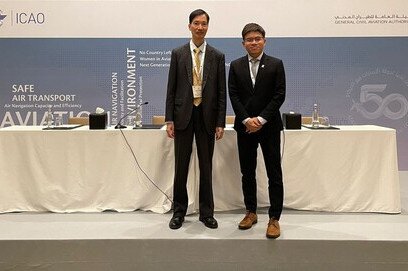
Following the global agreement on achieving net zero carbon emissions in aviation by 2050, ACI Asia-Pacific presented a policy paper on decarbonisation at the 6th ICAO Conference for Director General of Civil Aviation for the Middle East in Abu Dhabi, calling for enhanced government support for airports to achieve net zero goals.
Airports Council International Asia-Pacific welcomes International Civil Aviation Organization States' commitment to adopt Long Term Aspirational Goal for civil aviation to reach net zero emission by 2050.
Airports Council International (ACI) Asia-Pacific, representing 617 airports, welcomes the decisions by Governments of Japan, Hong Kong and Chinese Taipei to relax COVID-related restrictions on international travel.
China's tougher border measures and Japan's cautious approach towards relaxation of inbound travel restrictions could displace Asia-Pacific as the world's largest air passenger market for the year 2022. Asia-Pacific which has dominated the civil aviation market for several years prior to the pandemic, is estimated to finish second, behind Europe in terms of passenger share, and at a comparable level with North America.
There has been cautious sense of optimism for the aviation sector following the relaxation of travel restrictions and successful vaccination programmes in many parts of Asia-Pacific and the Middle East, according to the Airports Council International (ACI) Asia-Pacific’s Industry Outlook.
Airports Council International (ACI) Asia-Pacific has called for flexible regulatory policies, innovative procedures, greater efficiency and a better passenger experience as part of its long-term approach to help airports make a sustainable recovery.
Notice
We use cookies to ensure that we give you the best experience on our website. If you continue to use this site we will assume that you agree with it. Learn more